
What Does Asbestos Look Like in Walls? Spotting Suspect Wall Materials
You've pulled off a skirting board, cut a hole for a new power point or started knocking through an old bathroom wall, and the sheet behind it isn't what you expected. It's harder, greyer and heavier than the linings you're used to. Now one question is running through your head: what does asbestos look like in walls, and have you just disturbed some?
Stopping to check is exactly the right move. A lot of the calls we take start this way, mid-demo, with a wall half open and a homeowner who isn't sure whether to keep going.
The good news is that you don't have to guess. Below are the wall materials worth a second look in older homes, where they tend to hide, how to tell one sheet from another, and how to find out for certain before any more work goes ahead.
What Does Asbestos Look Like in Walls?
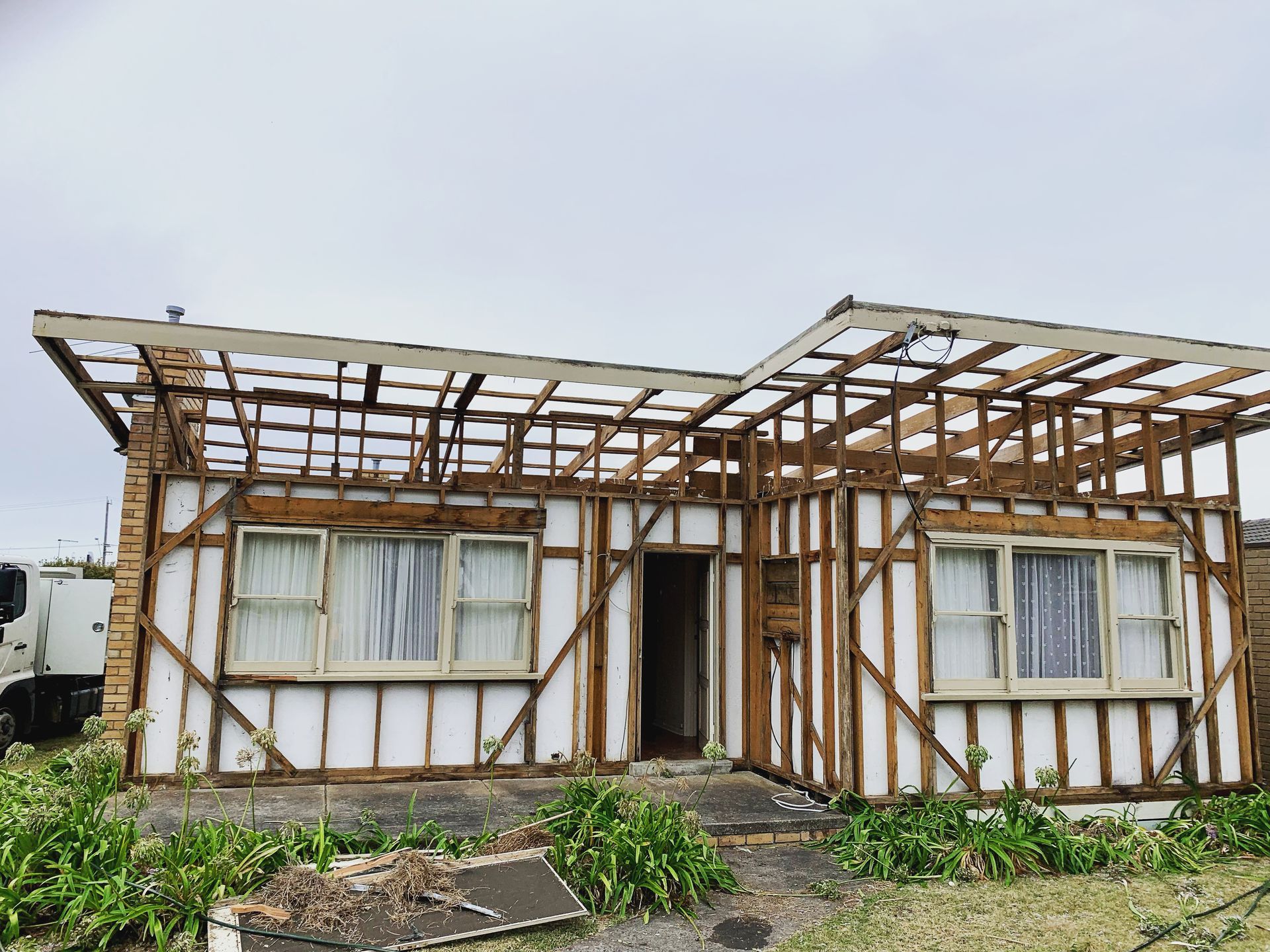
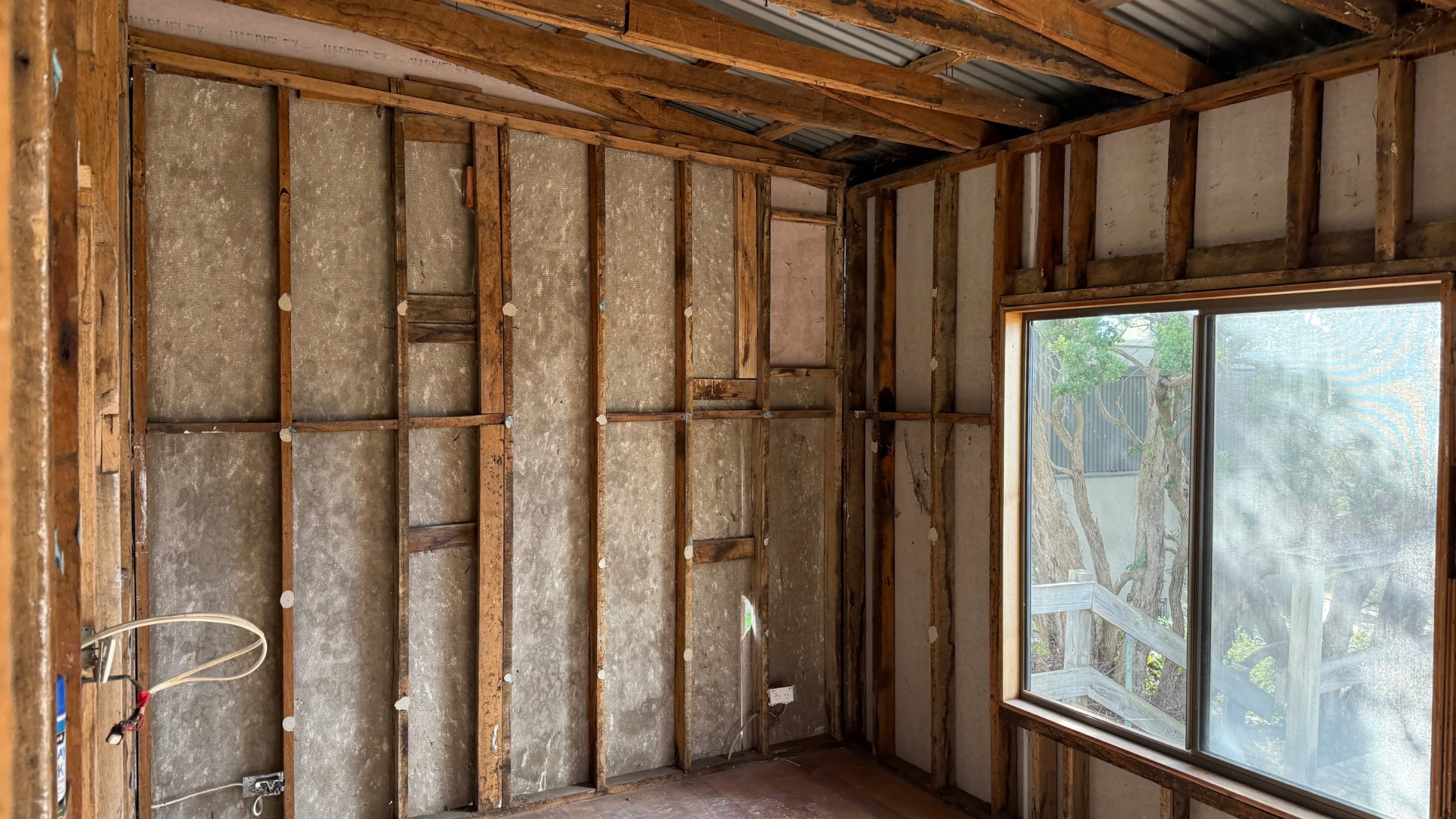
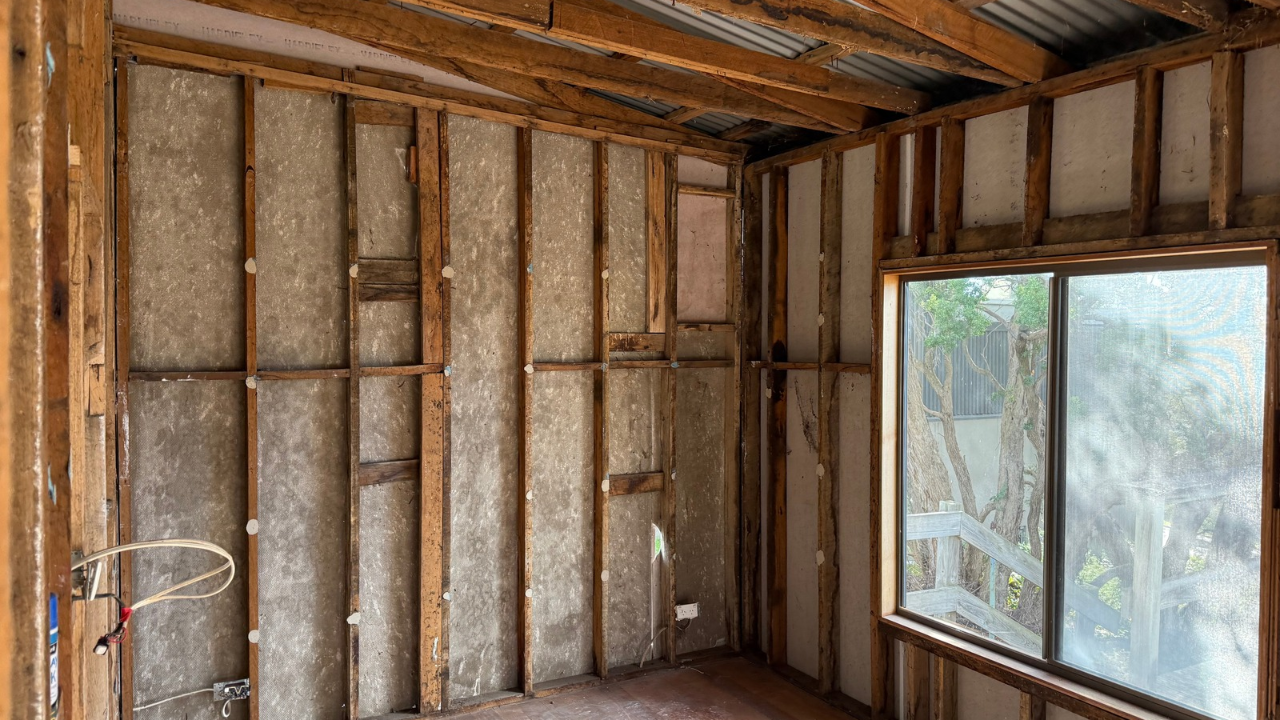
In most older Australian homes, asbestos in walls shows up as flat asbestos cement sheeting, better known as fibro. It's hard and brittle, usually painted, and grey to off-white on a broken edge, with the joins often hidden under narrow timber or plastic strips. You'll find it most often in bathrooms, laundries, later extensions and external cladding on homes built before about 1990. South City Asbestos, a B Class licensed removalist based in Somerville, is regularly called out to Peninsula homes where a renovator has uncovered wall sheeting they aren't sure about.
The catch is that many asbestos-free materials look identical, so nobody can confirm asbestos by eye. Lab analysis of a properly taken sample is the only way to know, and our asbestos testing service covers the sampling, the lab and the advice on what to do next. Until you have a result, don't drill, cut or sand it. Walls are only one part of the picture in an older home, and it’s worth knowing
where asbestos turns up elsewhere and what it looks like in older Victorian homes.
Why Walls in Older Victorian Homes Often Contain Asbestos
Asbestos cement sheet was cheap, fire-resistant, and moisture tolerant, which made it a go-to wall lining in Australian homes for decades. Victoria's official asbestos information site notes that asbestos cement was commonly used in residential building materials from the mid-1940s until the late 1980s, when it was phased out in favour of asbestos-free products. A total national ban on all forms of asbestos then came into force on 31 December 2003.
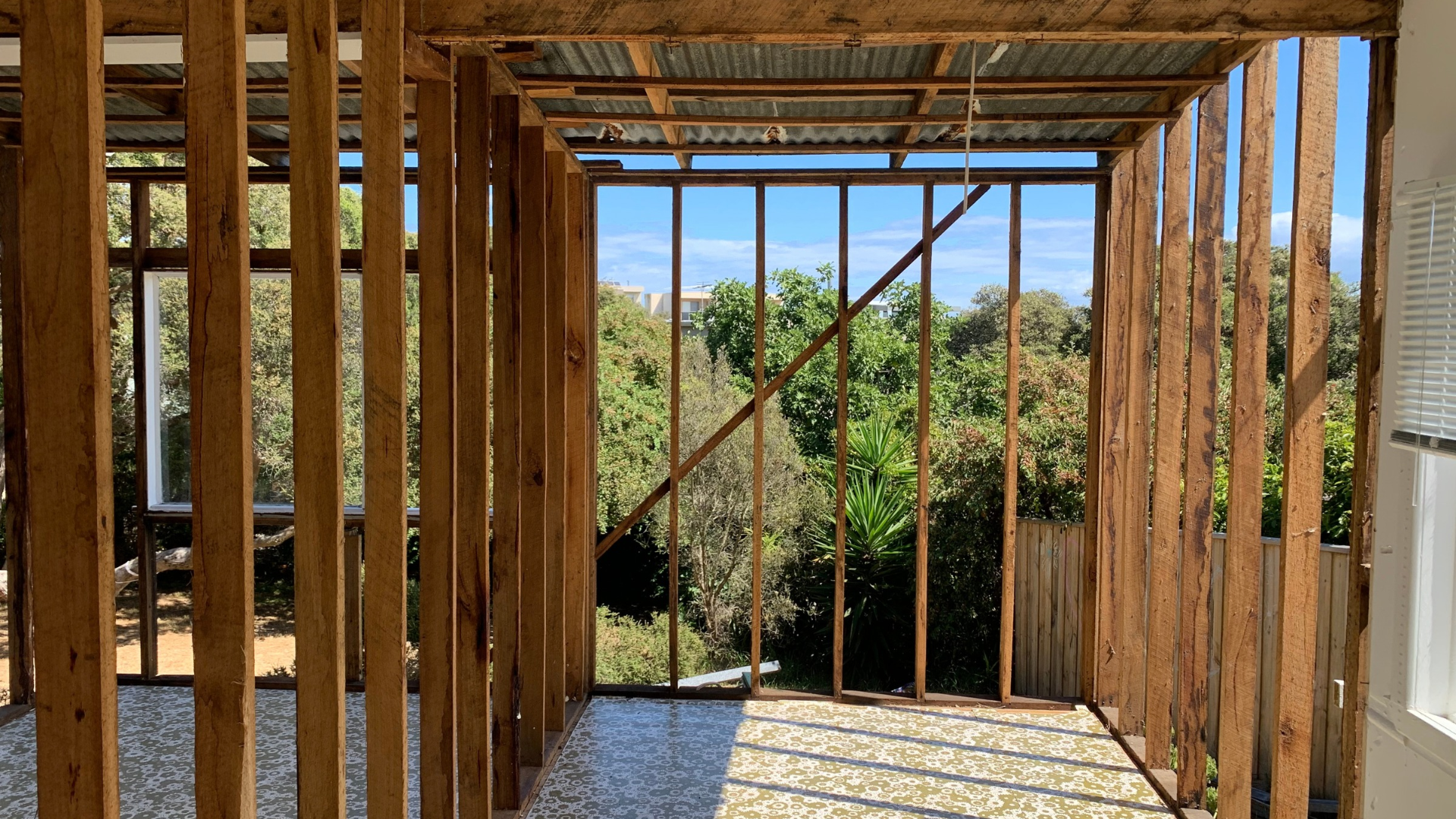
On the Mornington Peninsula, that history is built into the housing. Post-war homes, fibro holiday shacks and beach houses, and older places with DIY-era extensions are all common here, and any of them can hide asbestos cement behind a coat of paint. Our rule of thumb is simple: if a home was built or renovated before 1990, treat suspect wall linings as containing asbestos until a test says otherwise.
Common Wall Materials That May Contain Asbestos
Wall asbestos isn't one product. It turns up in several forms, and each one looks a little different once you know what you're looking at.
Flat Fibro Sheeting on Internal Walls
This is the one we come across most. Fibro sheeting on an internal wall has a flat, smooth painted face and feels hard rather than chalky or soft. Where a corner has broken away, the edge shows dense grey cement, and the back of the sheet can have a rough or dimpled texture. Sheeting deserves a deeper look than we can give it here, so we've covered
how to identify asbestos cement sheeting in your home in more detail.
Bathroom, Laundry & Kitchen Wet Area Linings
Cement sheet copes with moisture far better than most other linings, which makes it the standard choice behind wall tiles and as wet area linings in bathrooms and laundries. Many renovators first meet it when the tiles start coming off, and at that point the tile backing, the adhesive and the sheet behind can all be suspect. Kitchen splashbacks deserve the same caution, as do the walls behind old hot water services and heaters.
Asbestos Wall Cladding on the Outside of the House
Outside, look for flat sheets with narrow strips over the joins, or weatherboard-style planks that overlap horizontally. You'll see this cladding on fibro homes, enclosed verandahs, sleepouts, sheds and garages. Along the Peninsula coastline, salt air and weather take their toll, so older sheets can crack, pit or grow moss over the years. Condition is worth noting, and we cover what damage looks like further down.
Cover Strips, Joining Strips & Mouldings
The narrow strips that hide the joins between sheets were sometimes made from asbestos cement themselves, and the same goes for some cornice and window mouldings. On a wall, cover strips are also one of the strongest visual hints that you're looking at sheeting rather than a set, flush-finished wall. Where the wall meets the ceiling, the cornice and ceiling lining are worth checking too. Understanding
where asbestos may be found in ceilings and what to look for before demolition can help identify other materials that may need testing.
Textured Coatings, Render & Older Plaster
Some older textured wall finishes and cement renders may contain asbestos, and they look exactly like asbestos-free versions. There's no visual tell here at all. If a textured wall in a pre-1990 home is about to be scraped, sanded or chased for cabling, testing first is the only sensible move.
Where to Look, Room by Room
- Bathroom and laundry walls, especially behind old tiles
- Kitchen splashbacks and the walls behind old stoves or heaters
- Behind hot water services
- Enclosed verandahs and sleepouts
- Lean-to and DIY extensions
- External cladding and gable ends
- Garage and shed walls
Fibro vs Plasterboard: How to Tell the Difference
When you're standing in front of an open wall, the first thing you want to know is simple: is this plasterboard or cement sheet? The clues below help answer that. What they can't answer is whether the sheet contains asbestos, because asbestos-free fibre cement made since the 1980s phase-out looks and behaves almost exactly like the old product.
| Clue | Plasterboard | Fibro (cement sheet) |
|---|---|---|
| Face | Paper facing, slightly soft | Hard and smooth, no paper |
| Broken edge | Chalky white gypsum core | Dense grey cement, often jagged |
| Weight and feel | Lighter, dents easily | Heavier and brittle, cracks rather than dents |
| Sound when knocked | Dull | Harder, often hollow or tinny |
| Back of sheet | Brown or grey paper | Rough, sometimes dimpled |
| Joins | Taped, set and sanded flush | Often hidden under timber or plastic strips |
Does the Knock Test Work?
Knocking on the wall is the trick everyone seems to have heard about. A harder, hollow or slightly tinny sound can suggest cement sheet rather than the duller thud of plasterboard. What it can't do is separate asbestos fibro from modern fibre cement, which sounds the same. Treat a tinny knock as a reason to test, never as a result.
What Does an Asbestos Wall Look Like When It's Damaged?
Condition matters as much as material. Intact, painted bonded asbestos that's left alone is lower risk. Cracked, broken, weathered, water-damaged or crumbling sheets are a different story, because damage is what lets fibres loose.
Signs worth watching for include cracks or splits across the face of a sheet, broken or jagged edges, crumbling corners, surface pitting on weathered external sheets, and swelling or staining from water damage in bathrooms and laundries.
If a material looks crumbly or powdery, or seems like it could easily turn to dust, it may be friable. That's a different category of asbestos with a different licensing pathway. Understanding the
difference between friable and non-friable (bonded) asbestos helps explain why the type of material affects how removal work must be handled. We hold a B Class licence for bonded (non-friable) material, so if something looks friable, we'll tell you upfront and explain the safest next step.
Why You Shouldn't Drill, Cut or Sand a Suspect Wall
Most wall disturbances aren't big demolition jobs. They're everyday tasks: hanging a TV or shelves, mounting a split system, adding a power point, rewiring, pulling off tiles, or opening up a wall for open-plan living. Any one of them can break into a sheet that has sat quietly for decades.
Drilling and cutting fracture the cement and release fibres. That dust then settles into carpets, soft furnishings and ducting, and reaching for a normal vacuum or broom only spreads it further. It's how a small hole turns into a contaminated room and a much bigger clean-up.
If you haven't touched the wall yet, leave it. If you already have, stop, keep people out and get advice before you try to tidy up. When a wall is coming out as part of a bigger renovation, our strip-outs across the Mornington Peninsula are staged so any asbestos is handled under the right controls before the rest of the room comes apart.
How to Confirm Whether Your Walls Contain Asbestos
Only lab analysis of a sample confirms asbestos. Understanding why asbestos can't be identified by eye and what testing can reveal helps explain why a proper assessment is important before any work begins. With our asbestos testing on the Mornington Peninsula, we take the sample safely, wrap it and send it to the lab. Results usually come back within a few days. Testing carries a fee, and a faster turnaround is available at an extra cost if your timeline is tight.
Once the results are in, we send them through and explain what they mean in plain terms. If removal is needed, we'll quote it. Testing before a renovation starts also avoids the mid-job stoppage that can stall a whole build, which matters to builders just as much as homeowners.
What We Ask When You Call
The quickest way to get useful advice is to have a few details ready:
- How old the house is, or roughly when the area was built or renovated
- Your suburb
- Where the material is (which room, and inside or outside)
- A couple of photos taken from a safe distance
- What the surface feels like and what condition it's in
Found a Suspect Wall Mid-Renovation? What to Do Next
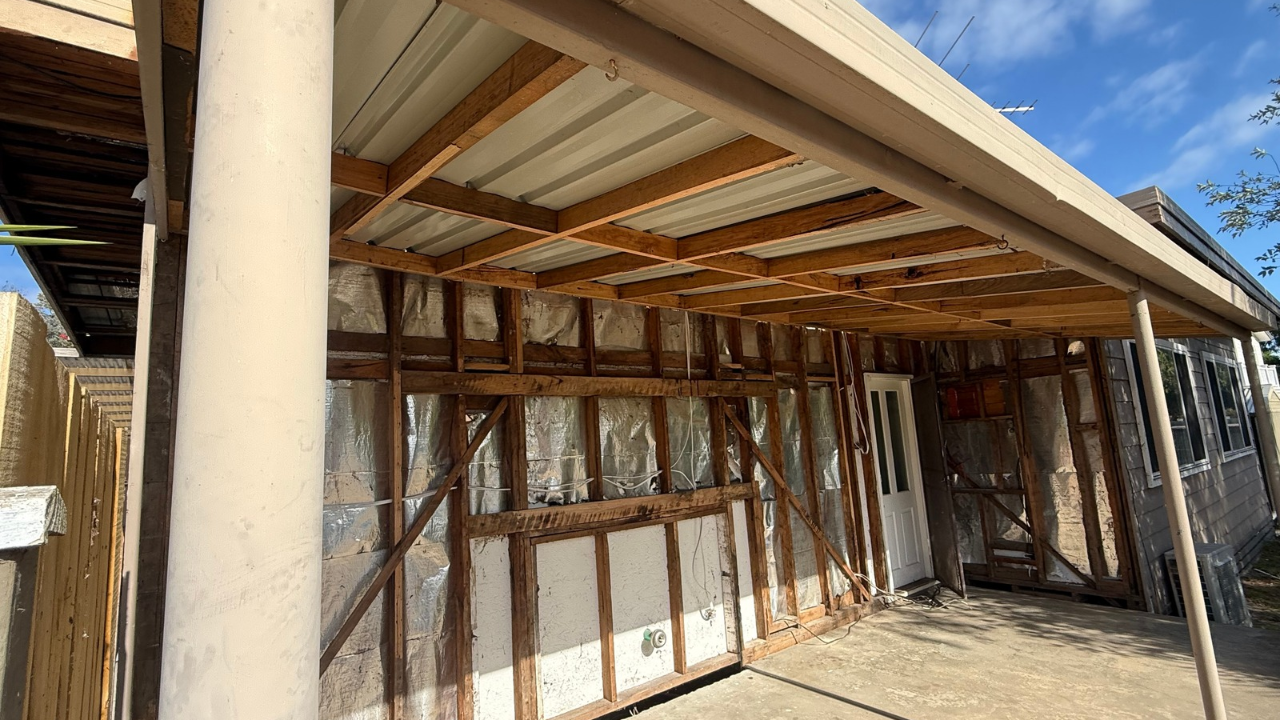
A suspect wall halfway through a reno is stressful, but the next steps are simple.
- Stop work in that area.
- Keep people and pets out.
- Don't sweep, vacuum or try to tidy up.
- Take a couple of photos from a safe distance.
- Send them through to us with your suburb and house age, and we'll advise whether testing or removal is the right next step.
Knowing
what to do if you find suspected asbestos mid-renovation can help you avoid disturbing the material further while arranging the right assessment.
Conclusion
Most of the time, asbestos in a wall looks like nothing more than an ordinary painted sheet. That's exactly why the smartest move is to treat older wall linings as suspect and get them tested before anyone drills, cuts or starts the demo.
If you're on the Mornington Peninsula or in Bayside and you're standing in front of a wall you're not sure about, we can help. Our asbestos testing service gives you a clear answer, and we'll talk you through the safest next step from there.
Key Takeaways
- In older Australian homes, asbestos in walls most often appears as flat fibro sheets: hard, brittle, grey when broken and usually painted.
- It's most common in bathrooms, laundries, extensions, sleepouts and external cladding on homes built before about 1990.
- Feel, the broken edge and strips over the joins can help you tell cement sheet from plasterboard, but no visual clue confirms asbestos.
- Cracked, crumbling or water-damaged wall sheets carry more risk than intact, painted ones.
- Never drill, cut or sand a suspect wall. Stop, keep people out and get advice.
- Testing a professionally taken sample at a lab is the only way to know for sure.
Frequently Asked Questions About Asbestos in Walls
How do you know if your walls have asbestos?
The age of the house and the type of material are your best clues. A pre-1990 home with hard cement sheeting in the bathroom, laundry or an extension is a strong candidate. Even so, clues only take you so far, because asbestos-free fibre cement looks almost identical. A lab test of a professionally taken sample is the only way to confirm it.
Is it safe to live in a house with asbestos in the walls?
Intact bonded asbestos that's left undisturbed is generally considered low risk. The risk rises when sheets are damaged, drilled, cut or sanded, because that's what releases fibres. If you're living with it, leave it alone and keep an eye on its condition. Before you renovate, get it assessed so you know exactly what you're working with.
Does all fibro contain asbestos?
No. Asbestos cement products were phased out in Australia during the 1980s, and fibre cement made since then is asbestos-free. The trouble is that the modern product looks and behaves almost the same as the old one, and many people still call both "fibro". That's why testing matters whenever the sheet could pre-date 1990.
Can you tell if a wall has asbestos by knocking on it?
Not reliably. A harder, hollow or tinny sound may suggest cement sheet rather than plasterboard. It can't tell asbestos fibro apart from modern fibre cement, though, because the two sound the same. Use the knock as a reason to test, not as an answer.
Does plasterboard contain asbestos?
Standard gypsum plasterboard is generally not an asbestos product. That said, older textured coatings, adhesives or sheets used alongside it may be. In a pre-1990 home, anything that looks or feels different from the surrounding wall is worth checking before you disturb it.
What colour is asbestos wall sheeting?
The painted face can be any colour at all, so colour on its own tells you very little. If you're trying to picture what an asbestos wall looks like up close, look at a broken or unpainted edge, which is usually grey to off-white cement. Even then, plenty of asbestos-free products share that colour, so testing is the only confirmation.
Can I hang a TV or drill into an asbestos wall?
Don't drill a suspect wall until it has been tested. Drilling breaks the material and releases fibres, and the dust spreads easily through the room. If the result comes back positive, get professional advice on safe options for what you're trying to do. Often the answer is to remove the affected sheet before the work goes ahead.
Can you paint over asbestos wall sheeting?
Intact sheeting in good condition is sometimes painted, which helps seal the surface. Victoria's guidance on sealing and painting asbestos cement is clear that it must never be water-blasted or dry-sanded to prepare it. If the sheet is cracked or weathered, painting isn't the answer. Talk to us before you start so the prep doesn't create a bigger problem.
My house was built in the 1980s. Could the walls still contain asbestos?
Yes. Asbestos cement products were still being used in Australian homes into the late 1980s. A 1980s build, or an older home renovated during that decade, could easily have asbestos in its wall linings. Treat pre-1990 wall linings as suspect until they've been tested.
Who can remove asbestos wall sheeting in Victoria?
Bonded internal sheeting and asbestos wall cladding are removed by a licensed removalist working to WorkSafe Victoria requirements. That includes WorkSafe notification with the required notice period where it applies, an independent clearance certificate once removal is finished, and compliant transport and disposal with the paperwork retained. We hold a B Class licence for this work, and our licensed asbestos removal quotes include clearance and disposal as standard.