
What to Do If You Find Asbestos Mid-Renovation: Your First 6 Steps
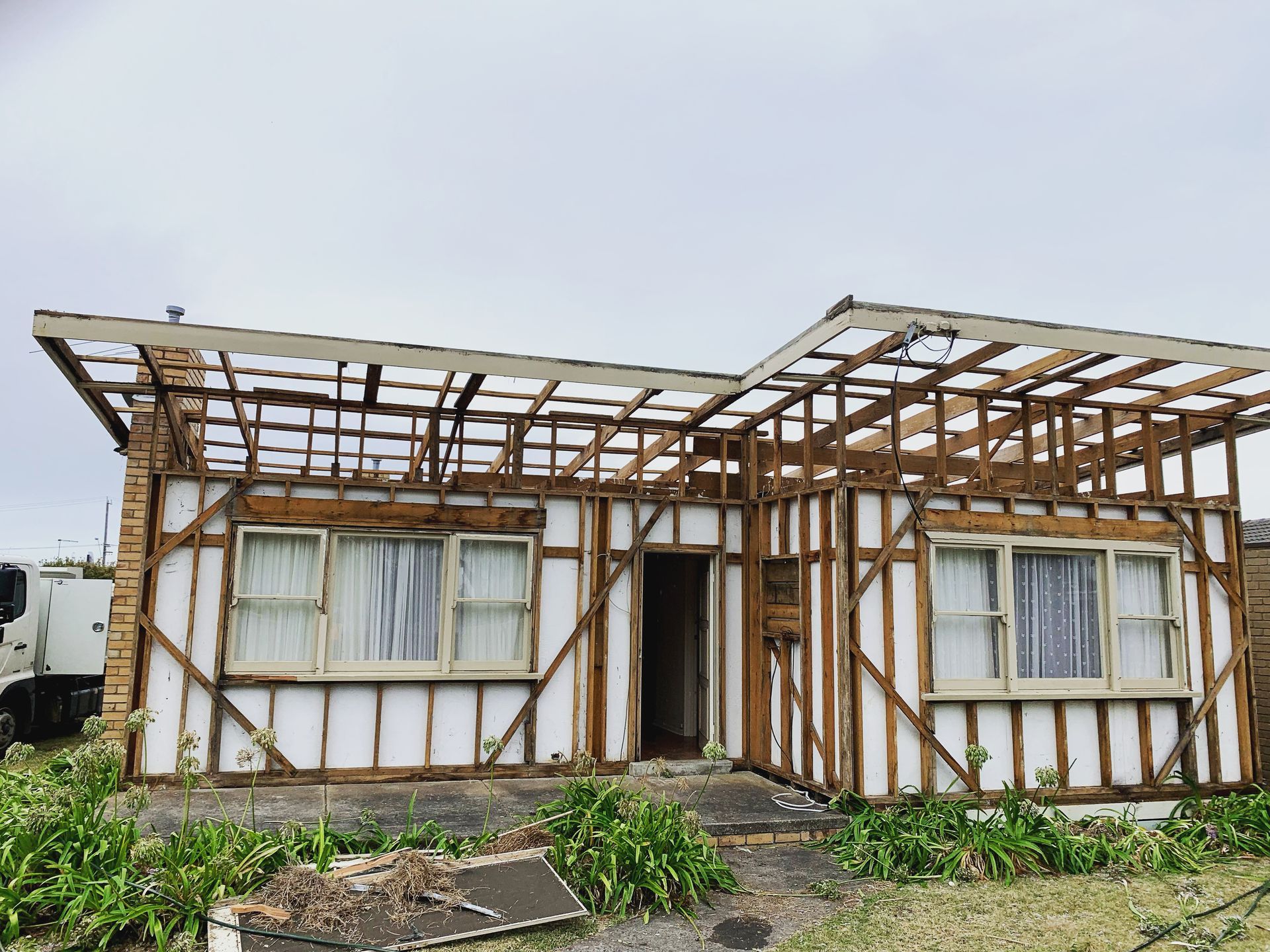
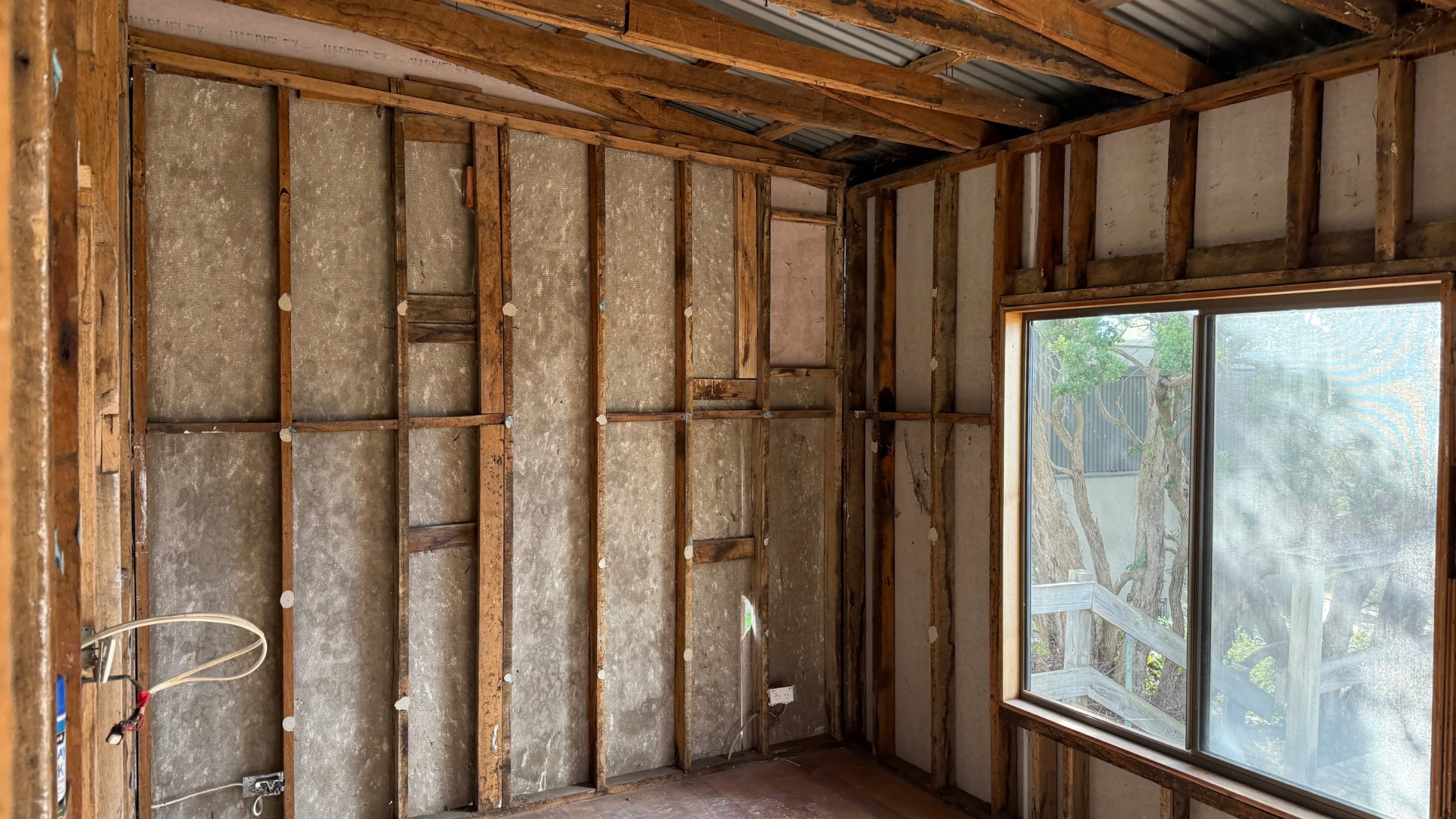
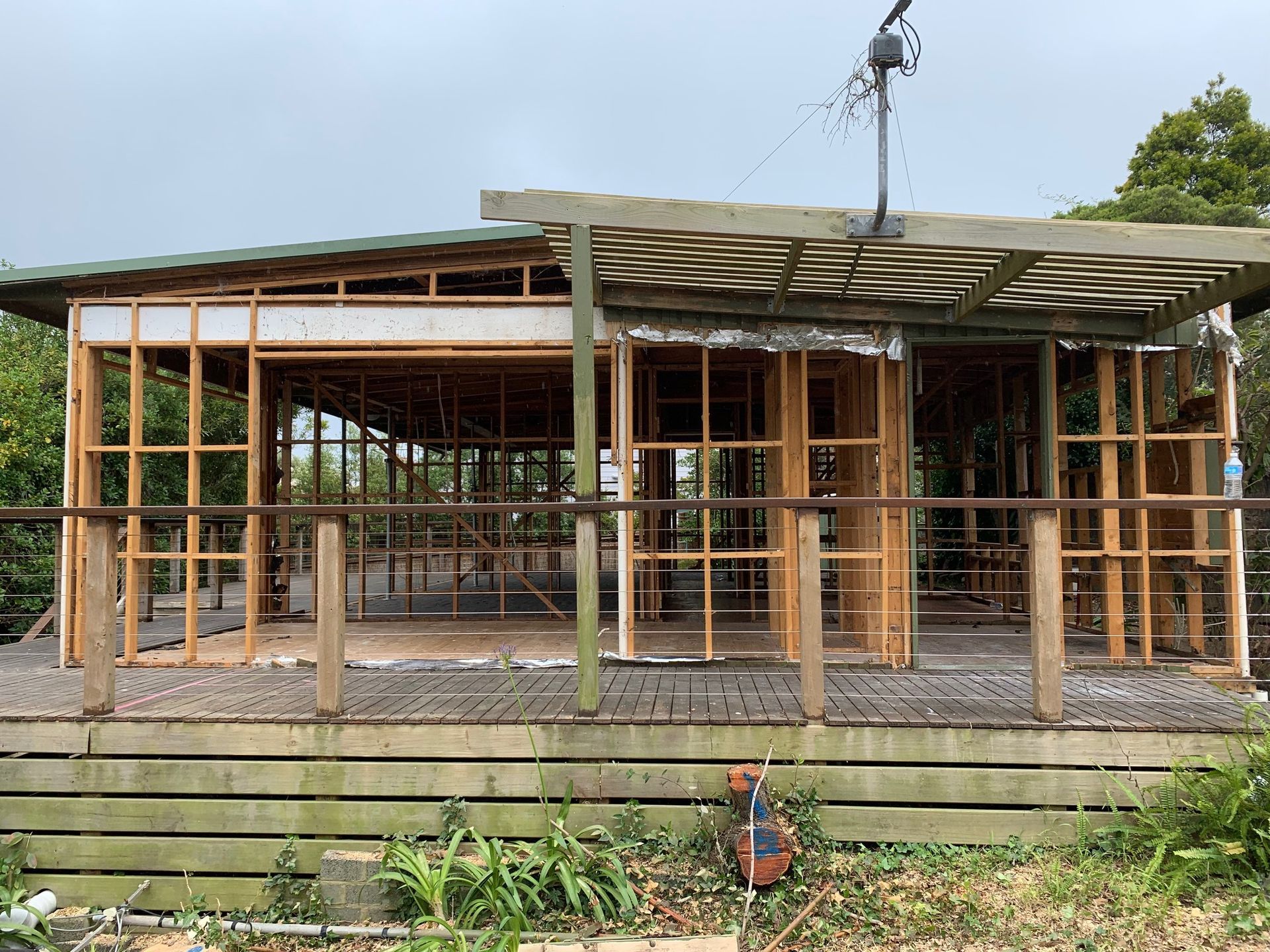
You have pulled the lining off the bathroom wall, lifted old lino or opened up the eaves, and there it is. Grey sheeting that clearly predates the rest of the house. The tools are still warm, and you are working out what to do if you find asbestos before anyone else walks in.
That instinct is the right one. Finding suspect material in an older Victorian home is common, and what happens in the next half hour matters far more than what has already happened.
Here is the order: what to do first, what to leave alone, and what happens once you make the call.
The Short Answer: Stop, Clear the Area & Get Advice
Stop work straight away and keep everyone out of the area, including kids, pets and other trades on site. Do not touch it, cut it, sand it, sweep it, vacuum it or hose it down. Take a couple of photos from a safe distance, then get advice from a licensed professional before anyone goes back in.
The part that catches people out is that you cannot confirm asbestos by looking at it. Knowing
what asbestos actually looks like helps you work out what is worth testing, but it does not replace the test. Treat anything suspect as asbestos until a sample says otherwise. Most of the calls
South City Asbestos takes start this way, mid-reno with a wall half off. From a few photos and the age of the house, we can usually tell you whether
asbestos testing or a removal quote comes first.
The First 6 Steps When You've Found Asbestos Mid-Reno
1. Stop Work Immediately
Put the tools down where they are. Do not finish the cut, pull the last sheet off or tidy the broken edge, tempting as all three are. Bonded asbestos releases fibres when it is cut, drilled or ground, so the damage stops when the work stops.
2. Get Everyone Out & Keep Them Out
Everyone leaves the immediate area: family, kids, pets and any other trades on the job. Close the internal doors if you can do it without walking back through debris. Then tell the plumber, the sparky and the builder, because whoever did not see you find it is most likely to disturb it.
3. Switch Off Air Movement
Turn off ducted heating and cooling, evaporative cooling, exhaust fans and any pedestal fan running to clear the dust. Ducts and airflow are one of the quietest ways cross-contamination spreads mid-renovation, because anything reaching a return air vent ends up in rooms nobody has worked in.
4. Don't Clean It Up
No sweeping, no household vacuum, no hosing, no bagging it up yourself. A standard vacuum pushes fine fibres back into the room through the exhaust, dry sweeping lifts dust into the air, and a hose spreads debris. Keep it off your shoes and clothes too.
5. Take Photos From a Safe Distance
Two or three clear photos usually do: one wide shot showing where the material sits, and one closer shot of the surface and any broken edges. Do not move it or turn it over for a better angle. Note roughly how much there is and whether it is broken or intact.
6. Get Professional Advice Before Anyone Goes Back In
Call a licensed removalist or a licensed asbestos assessor and send the photos with your suburb and the rough age of the house. From there we can tell you whether a sample needs to go to a lab first, or whether licensed asbestos removal can be scoped and quoted straight away.
What to have ready when you call
- Your suburb
- The approximate year the house was built
- Where in the house you found it
- Two or three photos from a safe distance
- Whether it is broken or still intact
- How long people have been working near it
What Not to Do When You've Found Asbestos
Almost every instinct people have in the first ten minutes makes the job harder rather than safer.
| Do this | Don't do this |
|---|---|
| Stop work and leave the material where it sits | Finish pulling this last bit off |
| Shut the area and keep people out | Keep renovating next door, door open |
| Leave the dust and debris alone | Sweep, vacuum or hose it up |
| Get advice on packaging and disposal | Bag it yourself and bin it |
| Keep the clothes you were wearing separate | Throw them in with the family wash |
| Wait for a result | Guess based on how it looks |
Doing it your own way tends to come unstuck at the tip. Asbestos waste has to be wrapped, sealed, labelled and taken to a site authorised to accept it, and loads that arrive loose or undeclared get turned away at the gate. Household bins and general skips are not an option. None of that is meant to frighten anyone; it is just the part most people find out about at the weighbridge.
How to Tell If It's Likely Asbestos (Without Touching It)
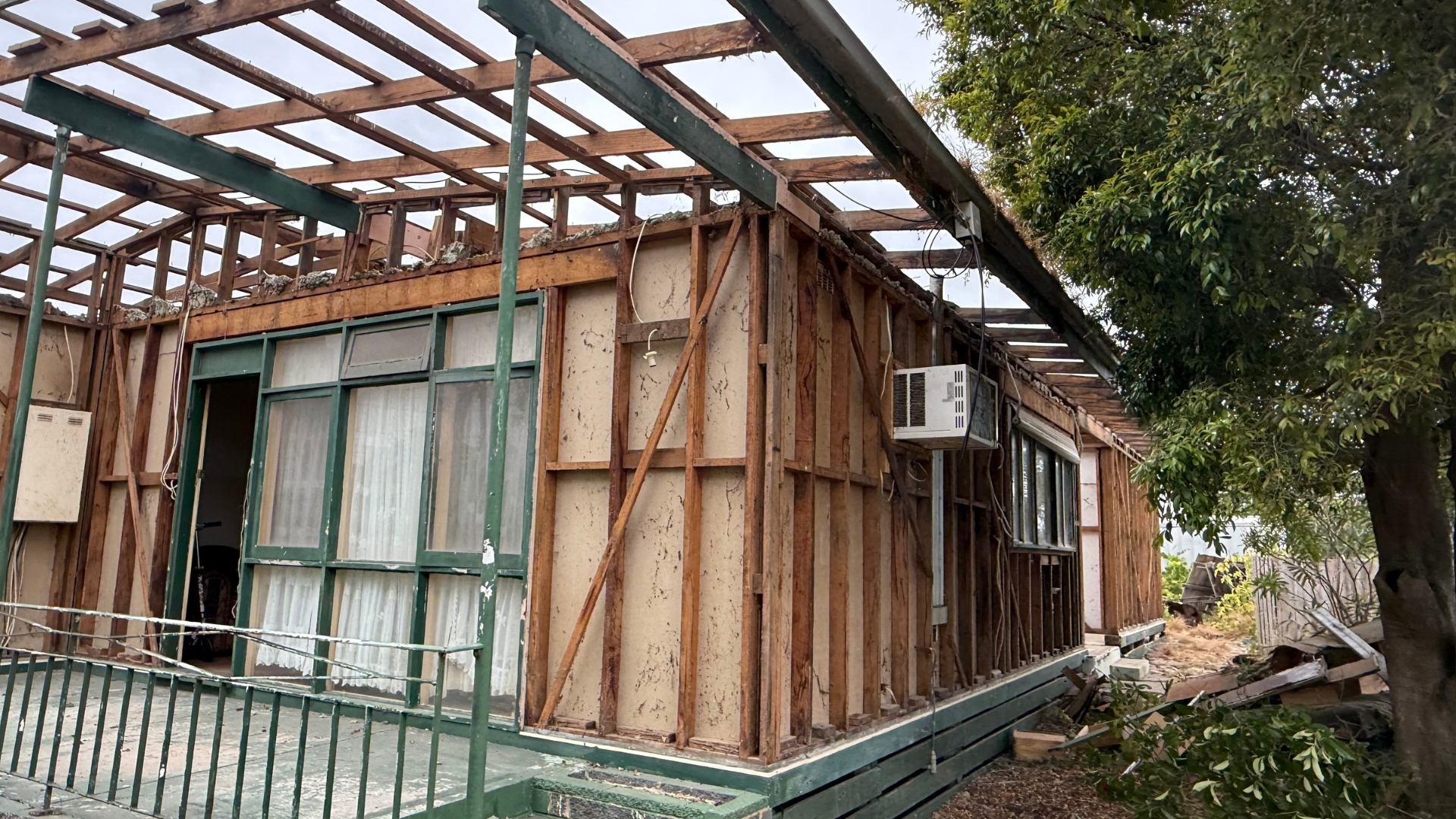
The age of the house is the biggest clue. Homes built or renovated before 1990 are likely to contain some asbestos products, and around one in three Australian homes still contains asbestos materials. Asbestos was banned nationally from 31 December 2003.
It usually surfaces in bathroom and laundry wall linings, eaves, fibro sheeting on external walls, under old vinyl or lino, and behind the linings of an older extension. Those are the places to look first, although learning
how to identify asbestos cement sheeting in a home narrows the field rather than confirming anything.
So a "that looks like asbestos" guess is never enough to act on, in either direction. Plenty of safe modern sheeting looks the part, and plenty of genuine asbestos has been painted over and blends right in. That is the whole reason why you can't confirm asbestos by eye, and why the only thing that settles it is a sample tested at a NATA-accredited laboratory.
One thing worth raising gently. Crumbly, powdery material that falls apart in the hand is a higher risk category needing a different licence class. We hold a B Class licence, covering non-friable material only, so if what you describe sounds friable, we will point you to the right pathway.
What Happens When You Call a Professional
The first call is mostly questions: the age of the house, where the material is, what the surface looks like, and whether anything has been broken. If the job is local, a site visit often follows. From there, it goes one of two ways.
Path 1: Testing First
Where it is not clear what you are looking at, we take a sample safely and send it to the lab. Results usually come back within a few days, with a faster paid turnaround if the build cannot wait. You get the result and a plain explanation of what it means.
Path 2: Straight to a Removal Quote
Where removal is clearly needed, the scope gets confirmed and quoted. Our owner Brendan quotes the work himself, so the person pricing the job answers the phone about it afterwards.
If removal goes ahead, a control plan and SWMS are prepared, WorkSafe is notified where required, the area is set up with signage and barriers, an independent licensed asbestos assessor issues the clearance certificate, and the waste goes to a licensed facility with the dockets kept. That is the short version of
what actually happens during a professional asbestos removal.
Renovating a House With Asbestos: How It Affects Your Timeline
The next worry is almost always how long this holds everything up. Usually less than people fear.
There are three realistic pause points. Testing takes a few days unless you pay for the quicker turnaround. WorkSafe Victoria then requires notification before licensed removal work begins, with at least five days' notice in most cases, and at least 24 hours where the area is 10 square metres or less of non-friable material. Removal itself runs from hours on a small job to days on a larger one, and nobody should be on site while it is underway.
Worth doing right now: check the rest of the house before any more demolition happens. The eaves, the laundry, under the lino, the old sleep-out. Scoping the lot in one go beats stopping again next week, and where the job is a larger strip-out, it can be staged so the asbestos comes out under controls first. If another room is still to open up, an
asbestos pre-reno checklist is the cheaper way to find the rest.
If You've Already Cut, Drilled or Broken It
First, do not panic. Plenty of people work out what they were cutting only after they have cut it, and one disturbance is not the same as living with it for years.
Stop and step away. Do not try to clean up the dust and do not run a vacuum over it. Keep the area shut. Bag the clothes you were wearing separately, because the family wash is a direct route to cross-contamination across the rest of the house. Then get advice about the area, not just the material, since dust carries further than the room you were in.
If you are worried about your own exposure, have a chat with your GP and keep a note of what happened. Broken material brings a few extra considerations, so there is more on
the calm next step after accidentally disturbing asbestos if you want the detail.
Builders & Tradies: When Asbestos Turns Up on Site
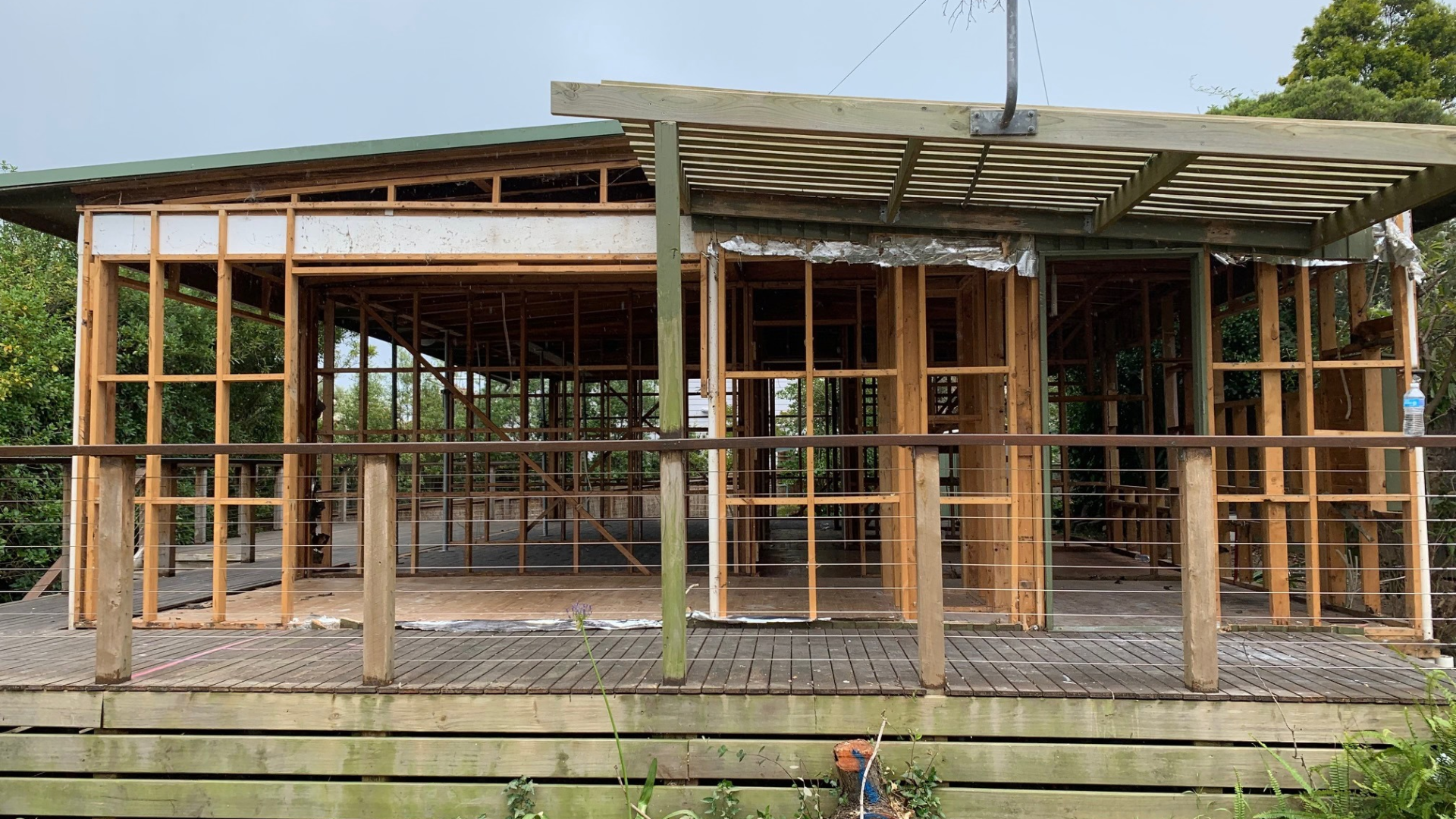
Most of our asbestos work comes from builders and demolition companies, so this is well-worn ground.
Stop work in the affected area and secure it rather than working around it. Let the client and the other trades know before someone opens up the next section of wall. Fibro sheeting behind a later lining is the classic one, because nobody sees it until the lining comes off.
Get the asbestos component scoped and quoted on its own, so it goes into your quote as a real figure rather than an allowance. We quote the asbestos, you quote the job. Sequencing matters even more on a knockdown rebuild, where
asbestos found during demolition has to come out under controls before the machines go near it.
Conclusion
Finding asbestos mid-reno is stressful, and it is also one of the most ordinary things that happens in an older Victorian home. Stopping, stepping away and getting advice is the right call. Do not touch it, do not clean it, get it checked.
If you have uncovered something you are not sure about, send us a couple of photos with your suburb and the age of the house, and we will talk you through the safest next step. Call 0409 026 164 or use our contact page. Knowing what to do if you find asbestos is most of the work, and the rest is ours.
Key Takeaways
- Stop work and keep everyone out of the area if you uncover suspect material.
- Do not sweep, vacuum, hose or bag it yourself, as all four spread fibres through the house.
- You cannot confirm asbestos by looking at it. Only lab testing can.
- Homes built or renovated before 1990 are likely to contain some asbestos products.
- A licensed professional can tell you whether testing or removal comes first.
- In Victoria, licensed removal requires WorkSafe notification, so build a short pause into the timeline.
Frequently Asked Questions About Finding Asbestos During a Renovation
What should I do first if I think I've found asbestos?
Stop work, get everyone out of the area and leave the material where it is. Do not disturb it, clean it or tidy the edges. Take photos from a safe distance, then get advice from a licensed professional before anyone goes back in.
Can I keep renovating other rooms while I wait?
It depends on how close the other work is and whether dust can travel. Renovating a house with asbestos is manageable, but pause anything that creates dust or vibration until you have advice. Work at the far end of the house with the doors shut is a different thing to swinging a hammer on the other side of the same wall.
Is it dangerous if I just saw it but didn't touch it?
If it is intact and undisturbed, bonded asbestos sits at the low end of the risk scale. The risk comes from breaking, cutting, drilling or sanding it. If you have uncovered it and left it alone, leave it that way and get it checked.
How do I know if it's actually asbestos?
You cannot tell by eye, and neither can anyone else, no matter how much fibro they have seen. Confirmation comes from a lab, specifically a NATA-accredited laboratory that can analyse a sample properly. Until that result comes back, treat the material as though it is asbestos.
How long does asbestos testing take?
Results usually come back within a few days, with a faster paid turnaround if the job cannot sit idle. You get the result and a clear explanation of what comes next.
Can I remove a small amount of asbestos myself?
We would not recommend it. In Victoria, any friable material and any non-friable job over 10 square metres must go to a licensed removalist, with further limits on unlicensed removal work on top of that. Small jobs are where people assume they are in the clear, so check whether a small non-friable job is legally yours to remove in Victoria before you touch it.
What should I do with the clothes I was wearing?
Bag them separately and keep them out of the family laundry, because washing them with everything else spreads fibres through clothing that was never near the job. Ask your removalist whether they are worth cleaning or better out with the waste.
Can I put asbestos in my skip or household bin?
No. Asbestos waste has to be wrapped, sealed, labelled, taken to a facility authorised to accept it and declared on arrival. Kerbside bins and general skips are not an option, and incorrectly wrapped or undeclared loads get refused.
How soon can asbestos be removed once it's confirmed?
Once the quote is accepted, WorkSafe notification comes next, which in most cases means at least five days' notice before licensed removal starts. Removal itself takes hours or days depending on how much there is and how hard it is to reach.
Do I need to be out of the house during removal?
Yes. Nobody should be on site while removal is underway, which is why we confirm the date and time in advance. How long depends on the scope, and there is more on leaving the house during asbestos removal if you are working around school runs or shift work.